
Reviewed · KEMI TOURS
Kemi: Finnish Sight-Skiing Experience in Lapland
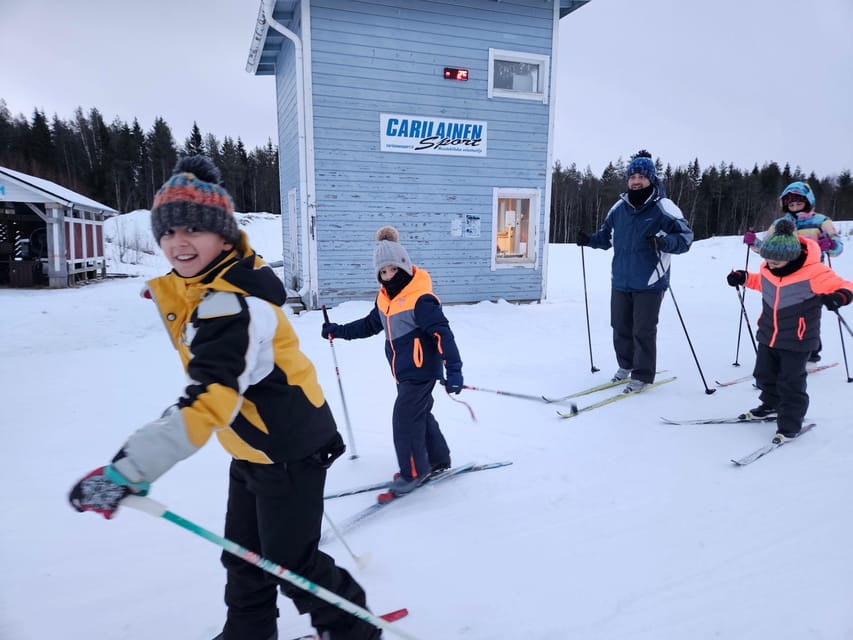
Finnish sight-skiing in Kemi is interesting because it turns a winter sport lesson into a walk through Arctic places you would not reach as easily on foot. Cross-country skis keep you moving smoothly across snow, and the route links a few very “Lapland” scenes in a short time.
I love that this experience starts with hands-on technique (not just standing around), so first-timers can get going fast. I also like the clear focus on real Finnish winter life, where skiing has long been more than a hobby. One drawback to weigh: this is outdoors in winter, and the tour can adjust its route or length when weather changes.
Key Things I’d Pay Attention To Before You Go
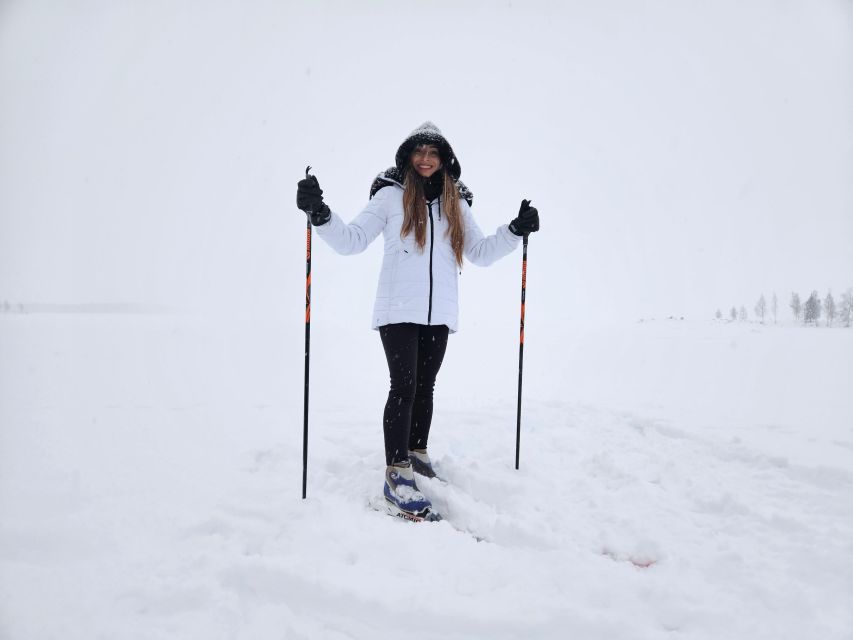
- Gear is included, so you can skip the hassle of renting or sizing.
- Two technique styles get taught, classical diagonal and free skating, giving you usable skills right away.
- Sauvosaari Sports Park tracks are your training ground, which helps you learn on purpose-built snow.
- You get Arctic scenery as part of the lesson, with views toward the Lapland Sea.
- Most of the time is active, so you will feel the workout, even as a beginner.
- Routes can change with conditions, so plan for flexibility.
Why Finnish Sight-Skiing Feels More Real Than a Typical Tour
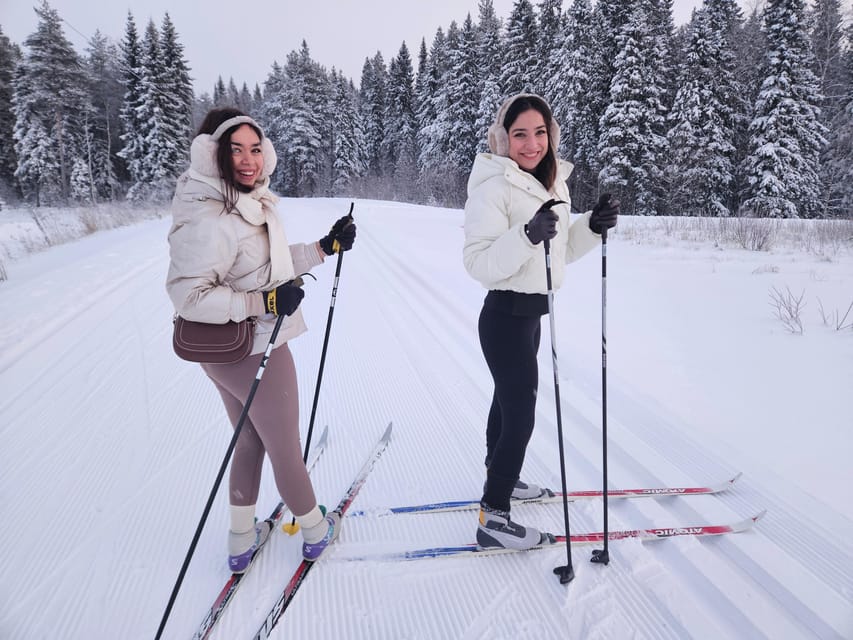
Cross-country skiing in Lapland is not just about scenery. It is how Finland historically moved people after heavy snowfalls, reaching school and work when roads were too hard to use. That context matters, because when you learn the motions, you start to understand why skiing became a national sport in the first place.
In Kemi, the “sight” part is built into the ride. You are not stuck doing circles around a parking lot. You start in the city area near the Snow Castle, then glide onto established snow tracks and continue toward winter-friendly stops with shoreline and beach-area views.
This is also a great format if you want something outdoorsy but controlled. In 2 hours, you get guidance, pacing, and safety. You leave with new movement patterns, not just photos.
More Skiing in Kemi
- Ski or Snowshoe rental in Sea Lapland
★ 5.0 · 10 reviews - KEMI: Cross-Country Skiing Guided Tour
★ 5.0 · 3 reviews - Rovaniemi: Lapland Ski Trekking Safari
★ 4.7 · 224 reviews
The $81 Price Check: What You Get for Two Hours
At about $81 per person, you are paying for the combination that usually costs more when you piece it together: equipment plus instruction. Skis, poles, and ski boots are included, and you get technique coaching as you go.
That value is best if you are new or rusty. When you are learning cross-country skiing for the first time, the “right” setup and basic cues can prevent a frustrating day. Multiple first-timer experiences tied to patient coaching and calm teaching, with guides like Marko and Essi helping people feel steady and safe.
One practical tradeoff: the price covers the lesson and gear, but not thermal outdoor clothing. If you arrive in regular winter layers that are not warm enough for wind and snow, you will feel it fast. Bring real gear, not just a thick coat.
Meeting at the Snow Castle, Then Getting Fitted Properly
You meet at the Snowcastle in Kemi’s Experience 365 reception hall. The timing is short, so the first 10 to 20 minutes matter. The process starts with setting you up with skis and boots, then checking the fit before you go.
That fit check is not a minor detail. Cross-country skiing depends on boot comfort and correct ski length. If you are slipping around in loose boots, you will fight your equipment instead of learning technique. And if your gear is too tight or too long, your balance will suffer before your brain even has time to learn the rhythm.
Once you are geared up, you head out toward the tracks at Sauvosaari Sports Park. This is a smart choice for first-timers because you learn on a prepared route instead of random snow. You can focus on what your legs and arms should do next.
Safety Briefing First: The Stuff That Makes Beginners Confident
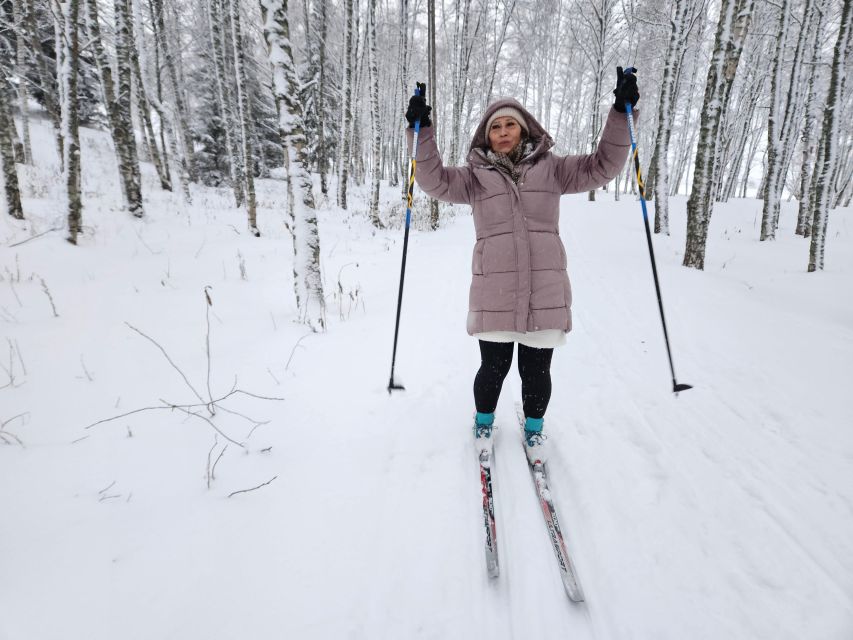
Before you glide, you get a safety briefing (about 15 minutes). This is one of those things that can feel boring in theory, but it pays off on snow. Cross-country skiing has a different kind of balance than walking or snowshoeing, and speed changes quickly when you hit downhill or firmer snow.
If you are a total beginner, you want the cues that keep you upright and relaxed. Guides you may meet, including Marko, are known for staying calm, keeping everyone safe, and explaining clearly. That style matters because nerves are common when you are learning something new outdoors in cold air.
After the briefing, you start moving. The early minutes usually decide whether you enjoy the experience or spend the whole time trying to survive it.
A few more Kemi days to compare
- Kemi: Icebreaker Arktis Cruise with Ice Floating
★ 4.4 · 195 reviews - Kemi-Tornio: Starguaranteed Northern Lights Auroras
★ 4.2 · 107 reviews - Kemi: Icebreaker Sampo Cruise with Ice Floating
★ 4.7 · 74 reviews - From Kemi: Icebreaker Cruise, Ice Floating & Transfer
★ 4.7 · 32 reviews
Learning the Two Basics: Classical Diagonal and Free Skating
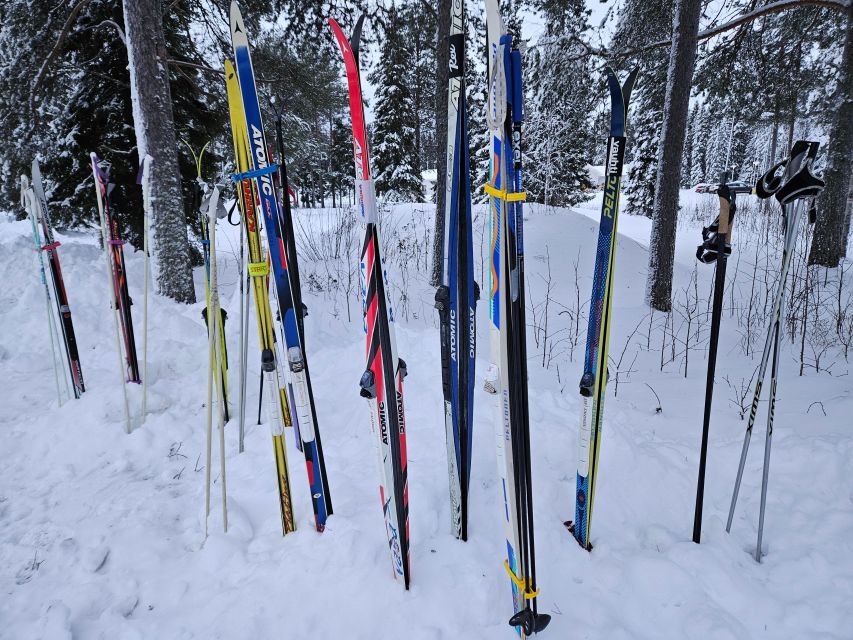
The heart of the lesson is technique. You will learn two main ways to travel on cross-country skis:
- Classical diagonal
This is the more traditional style, and it helps your body learn a repeatable pattern. Think of it as building coordination between legs and poles. It is the best way to get efficient quickly, especially if you want to keep your energy.
- Free skating
This is the more athletic-feeling option. It teaches different balance and a push that can feel faster once it clicks. You are not expected to become a racer, but you do get the motion basics so you can understand what people mean when they talk about “skating” on skis.
A good guide will also watch you and correct small things without making you feel embarrassed. That is what you want on snow, where tiny posture issues can snowball into a wobble. The goal is not perfection. The goal is control, so you can enjoy the next stop without fighting your own form.
Stop at the Snow Castle of Kemi: Start With a Big Win for Photos
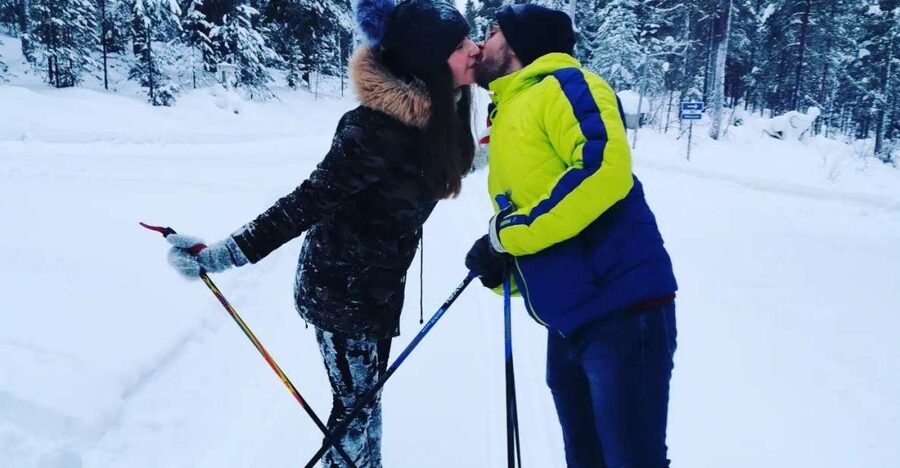
Your route includes the Snow Castle of Kemi area near the beginning. The timing is tied to the safety briefing, so you are likely not hanging around forever. Still, it sets the tone. It is an iconic winter scene, and starting here helps you feel like the trip is “real Lapland,” not just a random ski run.
If you care about photos, show up ready to move. Early on, you can capture the icy setting before you are busy learning how to slide and balance. And once you are on the tracks, you will spend less time stopping and more time actually gliding through winter light.
Mansikkanokka Swimming Beach in Winter Light
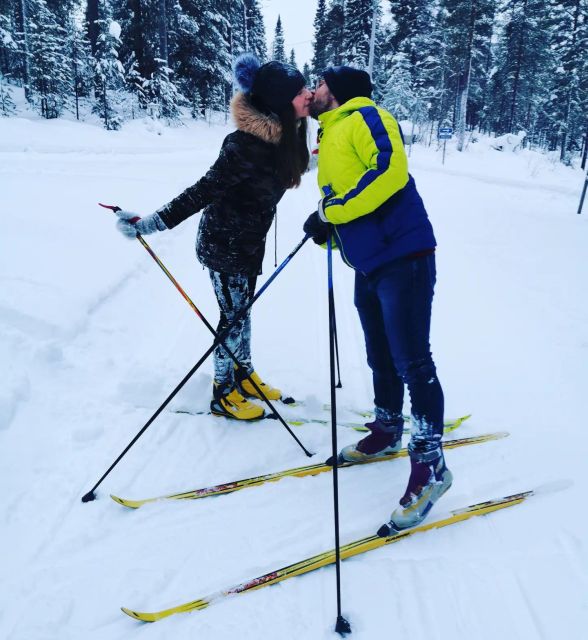
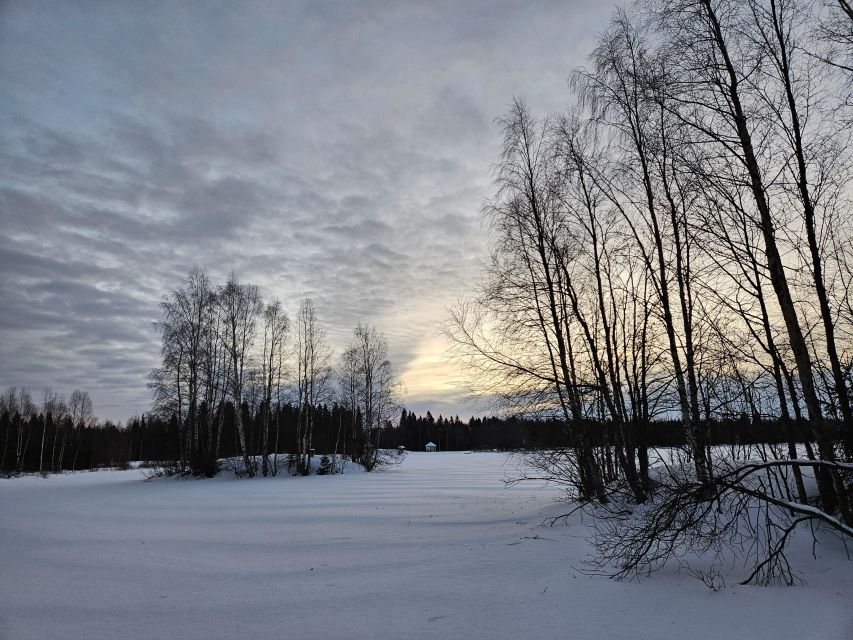
From the city area, you go to Mansikkanokka Swimming Beach for about 30 minutes of guided time. In summer, this place is a beach. In winter, it becomes something else entirely, a wide open scene where snow, sky, and distant water do most of the talking.
This stop works for beginners because it gives you a mental reset while still staying outside and moving. You can admire the view, listen to guidance, and enjoy the feeling of being out in Lapland without nonstop instruction every single minute.
It also supports the “sight” part of the experience. Instead of learning technique in a visual vacuum, you learn with arctic atmosphere around you. Several experiences emphasize that the best part is how the scenery shows up alongside the skiing, not after it.
One consideration: beach areas can feel windier than forested tracks. If your layers are not truly warm, this is where you will notice it. Dress for wind and cold, not just for “being outside.”
Laitakari: The Longest Stretch for Real Gliding
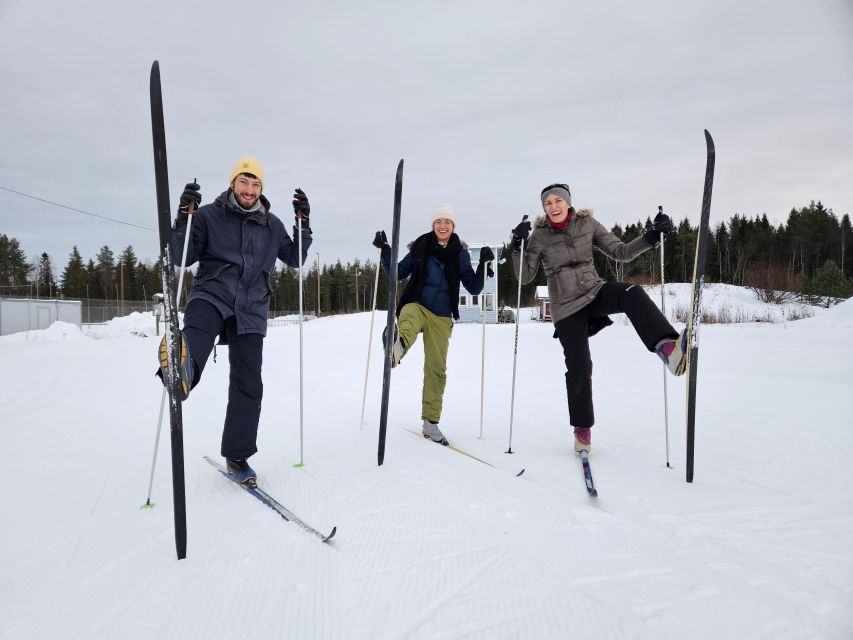
Next comes Laitakari, with about 1 hour of sightseeing as you continue the route. This is where the experience starts to feel like your own ski journey. You still have the guide, but the time is longer, so you have more chance to practice the basics you just learned.
Laitakari is a strong match for the Lapland Sea vibe. Along the way, you can enjoy magical views out over the water. Even if the water is frozen or partly obscured, the wide-open horizon helps you settle into the motions. Your body starts to get the rhythm. Your arms and legs begin to cooperate instead of fight.
This is also where the workout shows up. Cross-country skiing feels different than walking. If you have been inactive for a while, expect your legs to ask questions the next day. The good news is that the route is short enough to stay enjoyable, and instruction helps you avoid the most wasteful movements.
What the “Arctic” Part Actually Means for Your Body
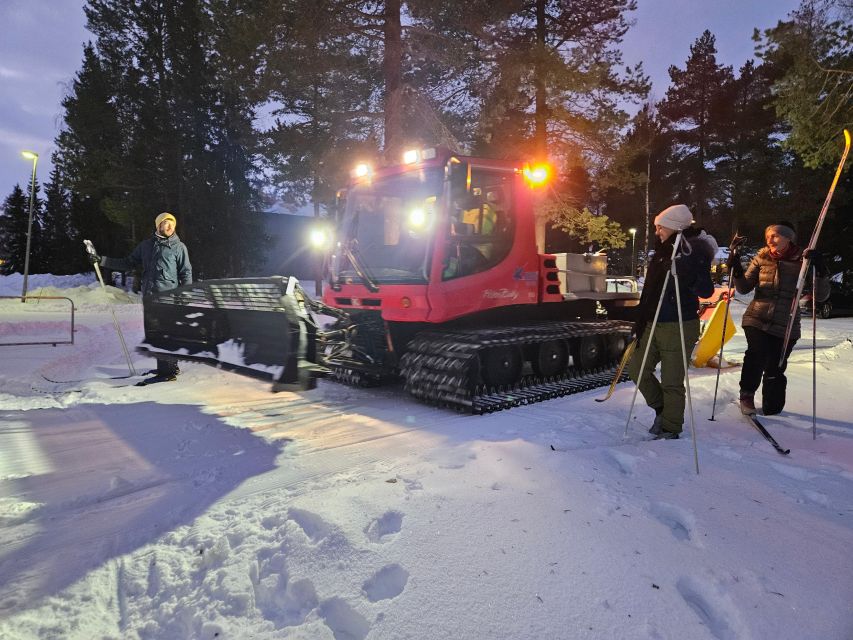
Most people underestimate the cold, even when they think they are prepared. On skis, your face stays exposed as you glide. Your hands need grip and warmth for pole work. If you are too thin, you will compensate by moving more stiffly, which makes skiing harder.
Here is what you can control:
- Wear weather-appropriate clothing you can move in.
- Treat cold wind as part of the activity, even on a bright day.
- Plan for a break in comfort if you feel too exposed.
The tour does not include thermal outdoor clothing, so bring layers you trust. A base layer that holds warmth, insulating mid-layer, and a wind-resistant outer layer makes a huge difference. If you rely on a single thick coat, you may overheat in parts and freeze in others.
Also, consider gloves or mittens that keep your hands functional. On cross-country skis, numb fingers reduce your ability to plant poles properly, and that affects both balance and technique.
Guides Matter: Why People Mention Marko, Essi, and Samuel
In learning-heavy activities, the guide is the difference between, I tried it and, I loved it. Here, you may meet guides like Marko, Essi, or Samuel. The consistent theme is patient coaching for first-timers and helpful technique tips.
A few additional points that show up in experiences are:
- Calm corrections so you can keep practicing rather than stopping.
- Support for taking photos along the route.
- A friendly tone that keeps nerves down when you wobble early on.
If you are learning from scratch, you want a guide who can explain without overwhelming you. The lesson structure here supports that, because you build from safety and setup into two core techniques and then apply them while sightseeing.
Time on Snow: Two Hours That Feel Short, Yet Productive
The total duration is 2 hours. That is a smart length because it gives you a meaningful taste of skiing without turning it into an all-day endurance test.
The structure usually goes like this: setup, short safety briefing, then skiing time that includes both learning and sightseeing stops, and finally the return to the meeting area. Because the stops are built into the route, your eyes keep switching from tracks to views. That reduces fatigue and makes beginners feel less “trapped” in practice mode.
Still, a few people note that they wish they had more time. That is common when the first success is right near the end. If you know you want a longer ski day, you can treat this as your starter lesson, then upgrade your skiing plan for the next outing.
Who This Kemi Sight-Skiing Experience Is Best For
This is best for people who want:
- A first-timer-friendly introduction to Nordic cross-country technique.
- An active winter experience with scenery built in.
- Equipment provided so you do not spend your trip wrestling with rentals.
It is not suitable for:
- Children under 5 years
- Pregnant women
- Wheelchair users
- People over 95 years
If you are older but within the allowed range, comfort with snow and balance still matters. If you have mobility limitations, it is worth considering carefully because cross-country skiing requires dynamic movement and stable footing.
If you like structured learning but still want the emotional payoff of real Lapland views, this fits well.
Final Call: Should You Book This Finnish Sight-Skiing Session?
If you are new to cross-country skiing and you want a day that feels both practical and magical, I think this is a strong pick. The included skis and boots plus technique coaching make the $81 price feel more like a lesson than a sightseeing-only activity.
I would say skip it or reconsider if you are not willing to dress warmly, or if you expect a fully indoor or low-effort option. Also accept that weather can change the route or duration, so it works best when you keep your schedule flexible.
Want an Arctic experience that teaches you how to move, not just where to look? This Kemi sight-skiing session does that.
FAQ
How long is the Kemi Finnish sight-skiing experience?
The experience lasts about 2 hours.
Where do I meet the guide?
Meet at the Snowcastle in Kemi’s Experience 365 reception hall.
Is ski equipment included?
Yes. Skis, poles, and ski boots are included.
What should I bring for the cold?
Bring weather-appropriate clothing. Thermal outdoor clothing is not included.
What languages does the instructor speak?
The instructor speaks English and Finnish.
Who is this activity not suitable for?
It is not suitable for children under 5, pregnant women, wheelchair users, and people over 95.
Just reviewed around Kemi
- KEMI: Cross-Country Skiing Guided Tour★ 5.0 · 3 reviews
- Ski or Snowshoe rental in Sea Lapland★ 5.0 · 10 reviews
- Oulu/Kemi: Frozen Freedom Ride – Private Snowmobile Tour★ 5.0 · 10 reviews
- Northern Lights Tour/Trip to a magical place★ 4.7 · 18 reviews
- Kemi-Tornio: Starguaranteed Northern Lights Auroras★ 4.2 · 107 reviews
- Kemi-Tornio: Reindeer farm experience★ 4.4 · 13 reviews
- Kemi-Tornio: Snowmobile Forest Safari w/ Hot Drink & Snacks★ 5.0 · 3 reviews
- Kemi-Tornio: Sunrise snowmobile safari★ 5.0 · 8 reviews
Kemi Tours, compared.
Tornio: Starguaranteed Northern Lights Auroras
Read our review →
Browse the lists this tour appears in