

Reviewed · WALKING TOURS
Inspiring Turku – Private Walking Tour
This private 2-hour tour in Turku is interesting because it mixes classic landmarks with everyday places locals actually use, then tops it off with time on the Aura & Jakke riverboats. It is the kind of plan that helps you get your bearings fast, without feeling like you are speed-walking through a checklist.
I like two things a lot. First, the local guide really connects the dots on what you are seeing, especially around the city’s history. Second, the route gives you a rare peek at the Pharmacy Museum and Qwensel house, which is the sort of stop most people skip unless someone guides them there. The main drawback to consider is cost creep: the cathedral and Qwensel-related admission fees are not included, so you may add a bit on top of the tour price.
Key highlights to look for

- Turun tuomiokirkko + its museum nearby for context before and after the main church
- Old Great Square at the heart of festivals and historic city events
- Turku City Library as a real community stop, not just a building to pass
- Turku Market Hall blending traditional shopping with newer stalls
- Qwensel house and the Pharmacy Museum for a hands-on look at 19th-century home life and medicine
Why this 2-hour Turku plan feels so practical

You get a tight route, about 2 hours total, with short stop times that keep energy up. Each segment is paced like a good city chat: walk a bit, stop, look closely, then move on. That matters in Turku because you are often dealing with weather changes and street conditions, and you do not want your day to feel like waiting in line.
This is also a private tour. That means you can ask questions on the spot, slow down when something catches your eye, or focus on the parts that match your interests, like architecture, old town streets, or how daily life worked in earlier centuries. If you want a guided route that still feels flexible, this fits.
Finally, the balance is smart. Most tours in a city do one kind of sightseeing. This one rotates between religion and civic life, markets and museums, then adds a river view. That variety makes the whole experience feel like Turku, not just Turku attractions.
More Walking Tours in Turku
- Best of Turku: Private Walking Tour with a Local
★ 2.9 · 8 reviews - A Finntastic Walking Tour in Helsinki
★ 5.0 · 700 reviews
Starting at Turun tuomiokirkko, and why the museum matters
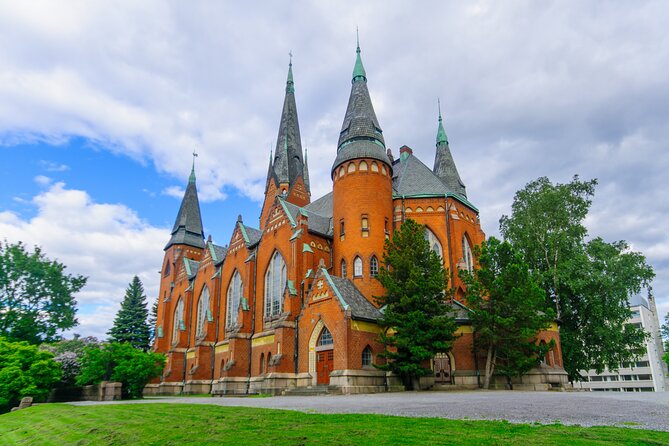
Your walk begins at Turun tuomiokirkko (Turku Cathedral), on Tuomiokirkonkatu 1. This is one of Finland’s most important religious buildings, and it comes with a museum option nearby. The big draw here is not just the exterior, it is the way the cathedral’s story sets the tone for the rest of your tour.
You will likely appreciate it more if you think of the cathedral as a historical anchor. After you learn what makes it significant, the rest of the old town stops hit harder. The building’s atmosphere is described as simple yet elegant, so you can look for details without being overwhelmed.
Plan for a small extra cost if you want the museum. Cathedral admission is not included, so if you want maximum value, consider whether you will add that ticket. I would, because you are already there and the stop is built into the experience flow.
Practical tip: wear shoes you can stand in comfortably. Cathedral visits tend to reward slow looking, and your guide will likely point out items worth seeing.
The Old Great Square, where festivals and old buildings share the stage
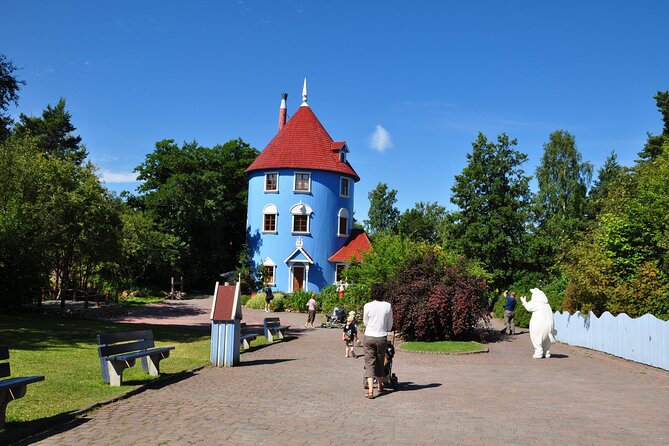
Next up is the Old Great Square, the historic center where events take place. This is not just a pretty spot on a map. It is where things happen, including occasions like the Declaration of Christmas Peace, the Medieval Market, and even a microbrewery festival.
What I like about this stop is the way it connects the present with the past. You see buildings around the square that have their own historic significance, including places named Brinkkala Mansion and the Old Town Hall. Your guide can help you understand why these sites matter and how they relate to the square’s role as a gathering point.
This is also a good breather stop. Even if you only spend a short time here, the square gives you breathing room and a quick sense of scale. You can pause, look around, and let your mind map the rest of the city.
One consideration: if you are aiming for photos, the square is a natural magnet. Expect it to feel busy at peak times, so keep an eye on timing if you want cleaner shots.
Turku City Library, a calm stop that still feels useful
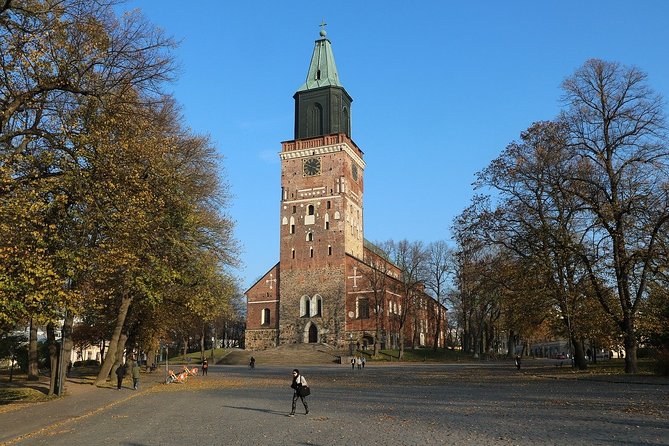
Then you head to Turku City Library. This is one of those stops that surprises people who only expect sightseeing monuments. Here, the emphasis is on spaces for reading, plus events and exhibitions.
What makes this worthwhile is the way the library is described as a hub with 10 other branches across the city, functioning as community centers with their own group activities. That means you get more than a quick look at a landmark building. You get a feel for how Turku organizes community life.
If you like practical culture, this is a great moment in the tour. It is quiet compared to markets and squares, and it gives you a reset. I also appreciate that the guide can turn what looks like a simple stop into something more, by explaining what the library does for locals.
No ticket is needed for this stop, so it is pure value.
Market Square, then the Market Hall for the full shopping story
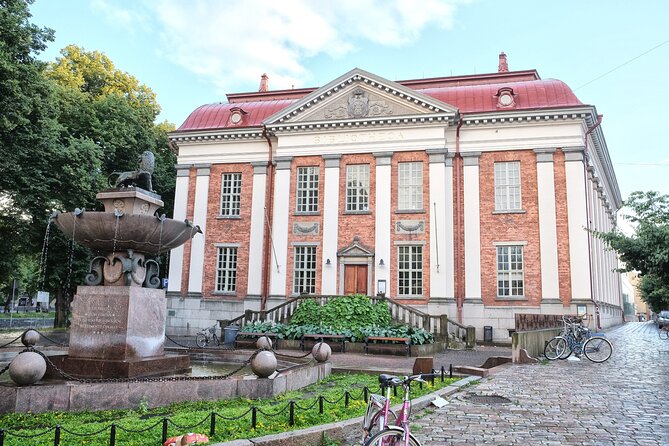
From there, you go to Market Square, described as the heart of Turku with a 19th-century feel. It is a popular area for tourists, but it is also a place to sit down and watch life go by. You will find shops, restaurants, and cafes, plus seating that makes the square easy to enjoy without rushing.
Right after that, you reach Turku Market Hall, one of the city’s older and more traditional shopping centers. It is noted as the second oldest traditional shopping center in Finland, and it mixes historical design with newer shops. It is also treated as a cultural-historical site because of its authentic character.
This is one of my favorite setups in a tour like this because it gives you two angles: first the open square energy, then the indoor market feel. If you like food and local goods, this stop is where you can shop for small gifts or grab something simple.
Small reality check: Market Hall can be crowded depending on time of day. If you prefer slow strolling, keep your eyes on your path and let the guide lead you through the easiest routes.
Turku City Hall and the Seurahuone origin story
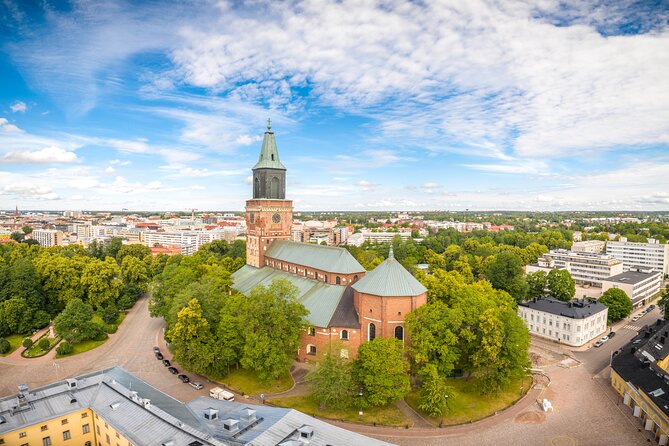
Next is Turku City Hall. The building originally was designed as the restaurant Seurahuone in 1810, and it survived the Great Fire of Turku (1827). Later, it became the town hall, and the public can enter during specific events, including Turku Day.
This stop is valuable because it gives you a sense of continuity. You see a neo-Renaissance building that has held different roles over time, and you learn how historical disasters shaped what remained. It is one of those places where architecture plus local events equals understanding, not just sight-seeing.
The entrance is not tied to a general ticket during ordinary hours, but since the tour includes the stop and your guide can time what you do see, it still works well for the typical visitor.
If you are into how cities adapt after major events, you will enjoy this one.
Qwensel House and the Pharmacy Museum, the most memorable stop for many people
Now we hit the part that tends to earn the biggest reaction: Qwensel house and the Pharmacy Museum and Qwensel house area.
Qwensel is described as the oldest wooden house left standing in Turku. That detail matters, because it makes the building itself the main historical evidence. Inside the experience, it focuses on 19th-century gentry lifestyle and what home life looked like.
Nearby, the pharmacy museum shop offers objects that explain how medicine was made back then. If you like practical history, this is a strong stop because it is about everyday needs: illness, remedies, and the tools and objects that surrounded medicine in earlier times.
Important cost note: Qwensel house admission fee is not included. If you want the full payoff, set aside time and money for it. I would not skip it here, because it is one of the few stops on the route that feels hands-on in a way a church or square cannot.
Food tip you can use: after the museum visit, there is mention of enjoying a pastry in the cafe. Even if you do not make it a “must,” it is an easy way to turn the museum portion into a relaxed break.
Riverboats Aura & Jakke, seeing Turku from the water
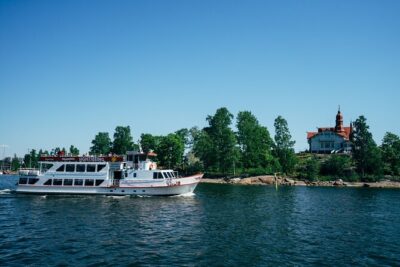
The tour ends with the Riverboats Aura & Jakke segment. This is a ferry ship that offers a different angle on Turku’s riverside scenery, stretching from Aura bridge to Suomen joutsen.
What I like is that it changes your pace without requiring you to add more walking. A river view also helps you understand the city’s layout. Streets and squares make sense, but water gives you a new mental map, especially in a city with a strong river identity.
The cruise is described as having a cafe and bar, so you can grab a drink if that fits your style. It is also described as able to last from dawn till dusk, with a couple of pit stops along the way if you need them.
Since this part is part of the tour flow, it feels less like a standalone ticket and more like a fitting conclusion. You finish by slowing down, looking around, and letting the scenery do the talking.
Price and value: is $656.52 per person a good deal?
At $656.52 per person for an approx 2-hour private tour, you are paying for two things: a private guide and a guided routing that includes multiple major stops plus the riverboat segment.
Compared to cheaper group walking tours, this price can feel steep. But when you are comparing value, consider what is included versus what costs extra. The included items are a local professional guide and the tour route itself. The main add-ons are the Turku Cathedral admission fee and the Qwensel house admission fee. Everything else listed on the route is free, including Old Great Square, the City Library, Market Square, Market Hall, and the City Hall stop.
That means your total cost is not just the sticker price, but it is predictable. You can also decide how much you want to spend on the museum components. If you enjoy learning with context and want someone to connect the sites for you, the guide time can be worth it.
Also consider practical value: with a private guide, you do not have to figure out the order or navigate between sites while also trying to read everything at your own pace. That saves energy, especially if you are on a short stay.
One more note: there are group discounts mentioned as a feature. The exact discount details are not provided here, but if you are booking with more people, it is worth asking whether your group qualifies.
Timing, pacing, and how to get the most from the stops
The schedule is tight, with stop times around 11 to 12 minutes each. That means you should come ready to look, not to wander for long. You will get more from this tour if you treat each stop like a mini lesson: look first, then ask your guide a question.
If you care most about one or two topics, tell your guide early. For example, if you want a deeper focus on the wooden-house and pharmacy story, you can spend more attention there while keeping the rest on track.
Also, because you end on a riverboat experience, you will likely enjoy the walk portion more if you keep your energy steady. It is a good idea to plan for a light coat, especially near the water.
Who this private Turku tour suits best
This tour is a strong fit if you want:
- A guided route through top sights in a short window, roughly 2 hours
- A private setup, meaning you can ask questions without blending into a larger group
- A mix of history, architecture, and practical local culture like the library and market spaces
- A stop that goes beyond monuments, like the Qwensel house and pharmacy museum area
It is less ideal if you want a long, slow walk with lots of free time to browse shops. The pacing is structured, and the idea is to cover specific stops efficiently.
If you are traveling with someone who likes learning, this is also a good choice. The tour leans on your guide’s ability to explain what you are looking at, and that turns “I saw it” into “I understood it.”
Should you book Inspiring Turku in a private format?
If you can afford the price and you like guided context, I think you should book it. The tour’s value comes from the balance of sights and the guide’s ability to make the history click, plus that memorable combination of Qwensel house and the Pharmacy Museum. The riverboat ending is a smart way to finish, because it gives you a reset and a view that you cannot get from the streets.
Skip or reconsider if you only want to pay for a bargain walk and you do not plan to visit the cathedral museum or Qwensel house. In that case, the extra admission fees may make the total feel less appealing.
FAQ
What is the duration of the Inspiring Turku private walking tour?
It runs for about 2 hours.
Where does the tour start and end?
It starts at Turku Cathedral, address Turun tuomiokirkko, Tuomiokirkonkatu 1, 20500 Turku. It ends at Riverboats Aura & Jakke, 20100 Turku.
Is this tour private?
Yes. It is private, meaning only your group participates.
What language is the tour offered in?
The tour is offered in English.
What is included in the price?
A local professional guide is included, and the tour uses a mobile ticket.
What admission fees are not included?
Turku Cathedral admission and Qwensel house admission fees are not included.
Is the tour near public transportation?
Yes, it is noted as near public transportation.
Can most travelers participate?
Yes, it is noted that most travelers can participate.
What is the cancellation policy?
You can cancel for a full refund up to 24 hours in advance of the experience start time.
Just reviewed around Turku
- Turku Archipelago: 3-hour Sailing Trip Around Källdö Islands★ 5.0 · 4 reviews
- Best of Turku: Private Walking Tour with a Local★ 2.9 · 8 reviews
Walking Tours, compared.

Small-Group Walking Tour with City Planner Guide
Read our review →Browse the lists this tour appears in