
Reviewed · SNOWSHOEING
Explore Winter Woods: Snowshoe walk with local Biologist
This winter snowshoe walk in Inari is interesting because you are not just moving through snow, you are learning how to read it, with Terhi, a local biologist. I like that the route is built around the ancient woods and real signs of Arctic wildlife, not staged sights. I also like the small group size, max 6 people, which keeps the pace unhurried and questions welcome.
One thing to consider: this is a winter, off-road style walk, and it depends on conditions. The tour needs good weather to run, so plan to dress for cold, and keep flexibility if the day needs to change.
Key highlights you will care about
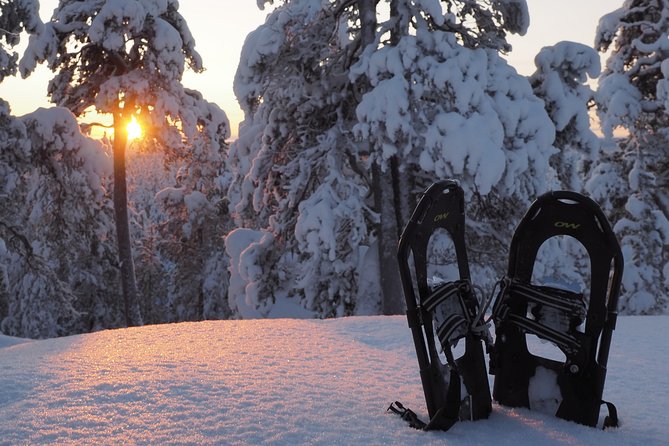
- Terhi guides the snowshoe walk, focusing on plants, trees, vegetation, and wildlife signs
- Ancient forest route through lakeside winter edges and misty mires
- Wildlife spotting that is realistic: tracks, feeding birds, and sometimes elk or mountain hare
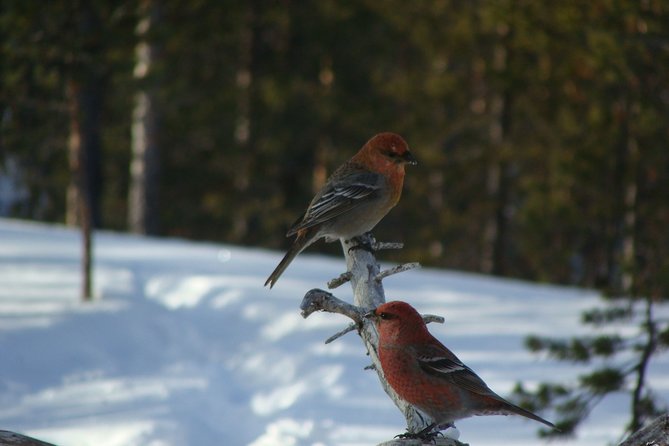
- Bird focus with season timing: Siberian Jay, Siberian Tit, and pine grosbeaks returning mid-Feb to early March
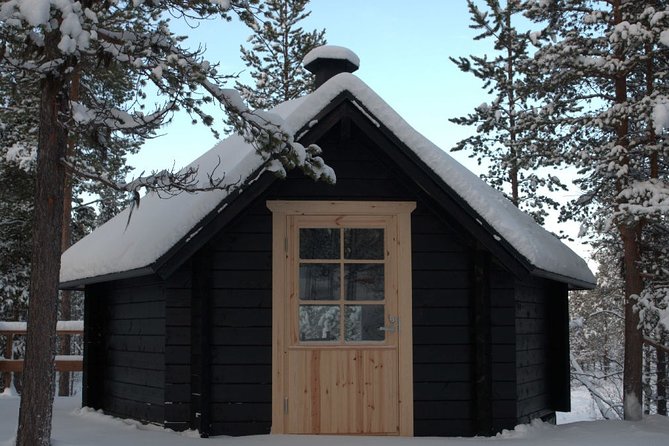
- Fire-kota warm-up with hot drinks and local snacks, served after the hike
- Small group, friendly pace with snowshoe and boot fitting
Winter Woods With Terhi: What Makes the Inari Setting Worth Your Time
Inari, in Finnish Lapland, is one of those places where winter feels old and deep. This snowshoe walk leans into that. You start by getting to know the local Arctic life, where bushcraft skills are part of everyday living, not a costume activity.
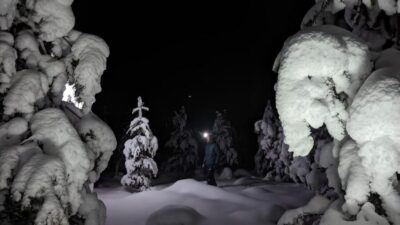
The walk then takes you into the woods along lakes and through areas that can feel misty and otherworldly in winter. The forest you explore is described as part of the oldest forests in Lapland. That matters because it changes what you notice. Instead of rushing past trees, you start paying attention to patterns, tracks, and how the landscape holds winter.
I also like that the experience is built around learning what is actually there. Terhi talks through what you are seeing and why it matters, from plants and trees to animal behavior. It makes the whole trip feel practical, like you are picking up skills you can use on your other hikes.
More Snowshoeing in Lapland
- Snowshoeing in Pyha-Luosto Lapland
★ 5.0 · 13 reviews - Scenic Snowshoeing on the Top of Pyhä Fell
★ 5.0 · 10 reviews - Premium Snowshoeing in Pyhä-Luosto National Park
★ 4.5 · 6 reviews
Group Size and Timing: 2.5 Hours That Feel Like a Real Experience
This is scheduled for 10:00 am and runs about 2 hours 30 minutes. The timing is long enough for a proper snowshoe route and a warm stop at the end, but short enough that it does not turn into a grind.
The group cap is 6 travelers. For me, that is a sweet spot. You get attention when you have questions, and Terhi can adjust the pace if someone needs extra time to read snow conditions or watch birds.
There is also driving included. You meet in Inari, head out to the woods, then return before the hot drinks and snack time at the end. If you are trying to fit Lapland nature into a busy trip schedule, this length is easy to stack with other activities.
Meeting Point at Terstontie 123: Easy Start, No Stress Navigation
You meet at Terstontie 123, 99870 Inari, Finland. The activity ends back at the meeting point, so you are not stuck thinking about transport at the end when you are cold and ready to warm up.
You also get a mobile ticket, and you receive confirmation at booking time. That is useful in Lapland, where weather can shift your plans fast. Having the basics handled ahead of time lets you focus on the walk itself.
If you are the type who likes to show up early and settle in, arrive a few minutes ahead of 10:00 am. It gives you time to get fitted and ready before you start moving.
Snowshoeing Into Ancient Woods: What the Walk Actually Feels Like
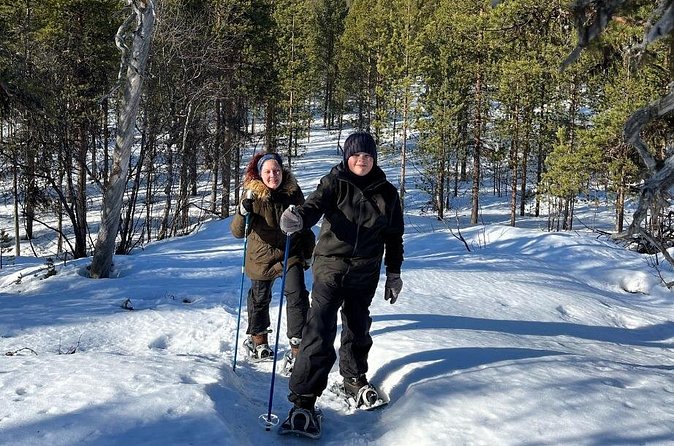
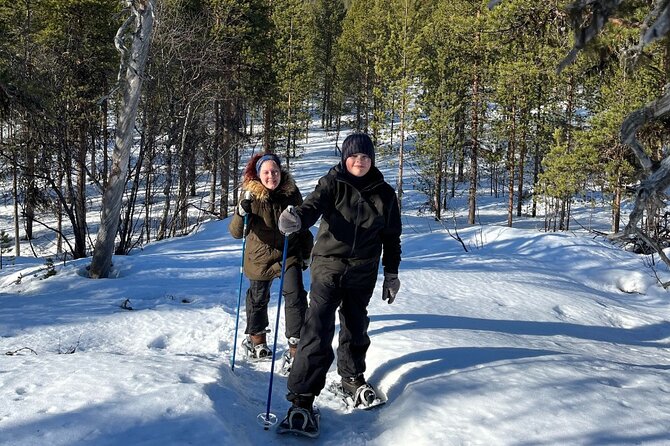
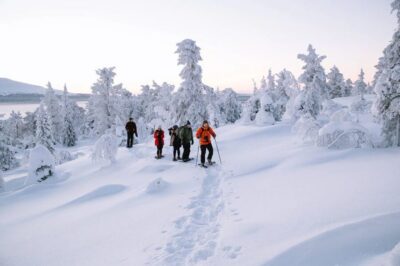
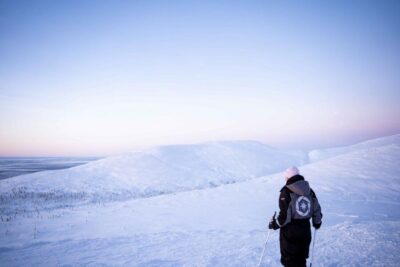
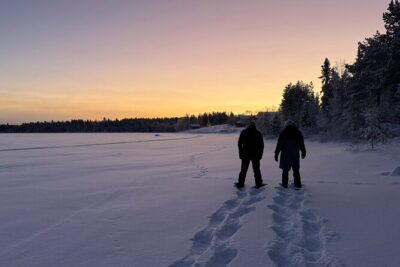
The snowshoe walk is the core of the experience. You go into the ancient forest around lakes and through winter terrain described as lakes and mystic mires. That wording matters because it hints at the texture of the route. This is not flat, groomed track walking. You will be stepping through a natural winter environment where snowshoes are actually useful.
Along the way, your guide points out possible animal tracks. You also watch feeding birds in the area. This is one of the best parts for me, because it trains your eyes. After the walk, you will notice signs everywhere on your later days in Lapland, even when you are not with a guide.
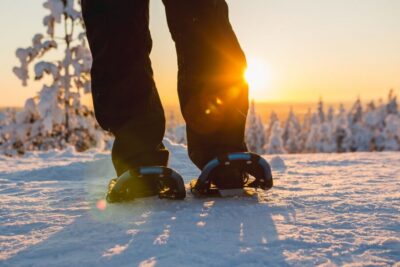
Equipment fitting is part of the day. In experiences like this, the difference between snowshoeing for fun and snowshoeing for comfort is getting your fit right. People have noted that Terhi and the hosts fit snowshoes and boots well, which helps you move confidently without fiddling every 10 minutes.
Pace is not described as a race. Instead, it is paced for learning, with time to stop and look. If you enjoy slow travel moments, this works.
More Walking Tours in Lapland
- Northern Lights Walk to Old Kemi with BBQ and Arctic Views
★ 5.0 · 3 reviews - A Finntastic Walking Tour in Helsinki
★ 5.0 · 700 reviews - Epic Helsinki: English Speaking Walking Tour
★ 4.8 · 661 reviews - Helsinki: Private Walking Tour with a Local
★ 4.5 · 429 reviews
Tracks, Birds, and the Season Cheat Sheet (Jay, Tit, Elk, Hare, Grosbeaks)
This tour gives you a smart, reality-based approach to wildlife viewing. You are not promised big sightings. Instead, you are taught where to look and what kinds of signs matter in winter.
Here is what you can realistically expect:
- Animal tracks: you will observe possible tracks during the walk
- Feeding birds nearby: the walk includes bird watching time
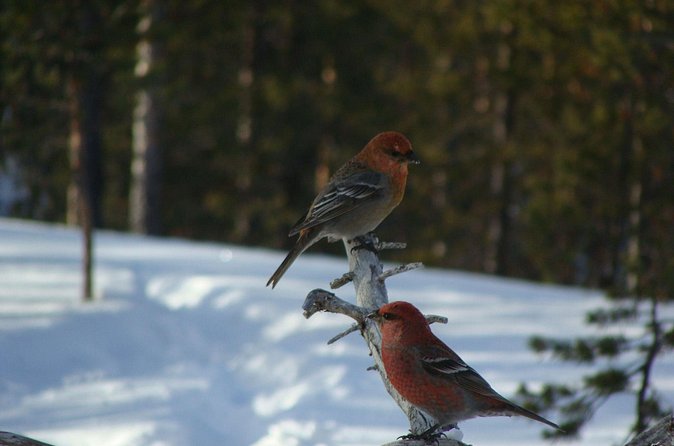
- Common birds: Siberian Jay and Siberian Tit are regularly around
- With luck: you might see elk and mountain hare
- Season timing: by mid-February to early March, you begin looking for first pine grosbeaks returning
That last point is handy. It tells you that the guide pays attention to seasonal changes, not just a script. If you are traveling in that window, tell yourself to look closely at the bird activity. If you are traveling outside it, you will still get the tracks and winter bird watching rhythm, just with different species emphasis.
Also, feeding birds change the game. When birds are actively coming to food sources, you are more likely to see them clearly, even with winter distance and low light.
One small drawback to keep in mind: if snow is deep and everything is covered, tracks can be harder to spot. That is not the guide’s fault. It is just winter. What you get instead is learning how to interpret what you can see in the conditions you have.
Fire-Kota Warm-Up With Local Snacks: Why the End Part Matters
The snowshoe walk ends with a warm drink and snacks in a kota, a traditional camp structure. This is not a rushed afterthought. It is part of the experience arc.
After you return, you get to slow down and recover your fingers and toes. The warm drink and local snacks help you transition from cold outdoor focus to cozy conversation.
From what you can expect in practice, people have mentioned coffee or tea with a bun, plus other local-style snacks like toasted items and baked goods such as muffins. I would not promise a specific menu every time, but the pattern is consistent: warm drink, local snacks, and time to watch birds around the camp area.
There is also hospitality here. Multiple people describe feeling welcomed by the hosts, Arto and Terhi, and that matters. In cold places, warmth is physical and social.
If you want a simple travel truth: this part turns a good walk into a memorable morning.
Arctic Bushcraft, Sami Culture, and the Life Lessons You Take Home
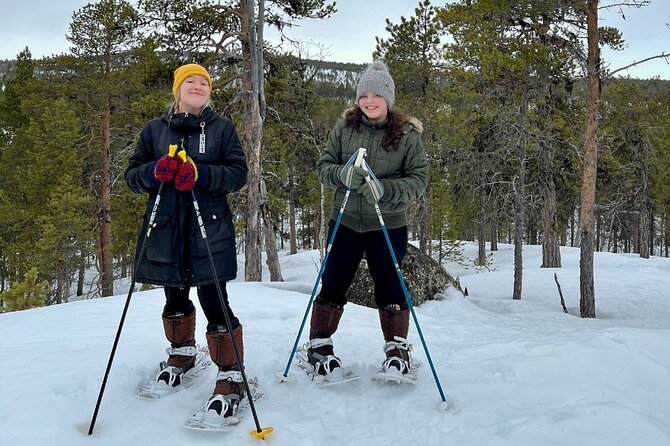
This experience does more than show trees and animals. It gives you context for how people live with winter.
When you arrive, you get to know more about home and Arctic lifestyle, including bushcraft skills that are part of everyday life. That kind of framing changes how you interpret everything you see. Trees and tracks do not feel random. They feel like part of a winter system humans have learned to work with.
Sami culture also comes up in the storytelling. People have noted that the hosts connect local nature with Sami culture, adding meaning to what might otherwise feel like just wildlife spotting.
And yes, there can be broader Arctic conversation too. Some people mention that Arto talked about the northern lights and that they can arrange a northern lights tour. That is not guaranteed based on the basic tour summary, but it is a clear sign that the hosts are willing to help you plan what comes next.
This is the kind of activity that makes your Lapland trip feel less like a checklist and more like a lived place.
Price and Value: Is $114.02 Worth It for 2.5 Hours?
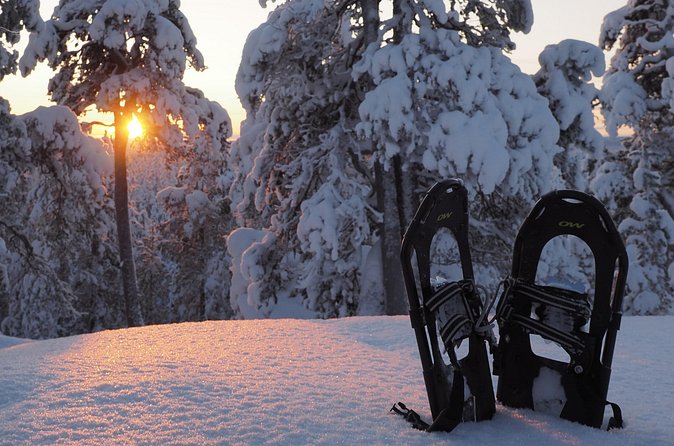
At $114.02 per person for about 2 hours 30 minutes, the price may look steep if you compare it to a generic hike. But this is not a generic hike.
You are paying for:
- A small group (max 6) and a guide who teaches while walking
- Snowshoe and boot fitting, so you are comfortable and safe enough to enjoy the day
- Biology and nature interpretation, including plants, trees, vegetation, and wildlife signs
- A winter camp stop, with an open-fire hot drink and local snacks
When I evaluate value, I think about what you would otherwise need to do yourself. If you want to snowshoe responsibly in this kind of terrain, you would still need gear, a safe route plan, and knowledge about what to look for. This tour packages those needs into one guided block.
Also, the fire-kota end adds real value. In Lapland winter, having a reliable warm-up stop is not a luxury. It is comfort, recovery time, and a chance to talk.
If you are the type who values learning, not just movement, this price is easier to justify.
What to Wear and How to Prepare for a Snowshoe Walk That’s Actually Comfortable
The tour requires good weather, and you will be outside moving and stopping to look at wildlife signs. So your comfort depends on preparation.
I suggest treating this like any serious winter outdoors outing:
- Dress in warm layers so you can adjust as you move
- Wear insulated winter boots that work well with snow
- Bring warm gloves and a hat you trust, especially for the open fire and camp time
- If you use trekking poles normally, consider them only if you already know how to use them in snow
Because snowshoeing involves more effort than walking on flat ground, you can get warm even in cold weather. That is why layers matter. You do not want to arrive overheating and unable to vent.
You will be fitted with snowshoes and boots, which helps a lot. Still, you should come ready to wear what you are given and move naturally.
Who This Tour Fits Best (And Who Might Want a Different Style)
This tour is best for people who enjoy nature learning and calm, guided winter time. If you like the idea of spotting birds, reading tracks, and learning how Lapland ecosystems work in winter, you will probably love it.
It is also a strong fit for families, but with the right age expectations. One family shared that an 11-year-old was old enough and enjoyed the experience, and they cautioned that very young kids may have trouble with attention span. If you are traveling with children, I would plan on snacks and warm-up time helping keep energy up.
Most travelers can participate, which is a helpful baseline. Service animals are allowed too, which increases accessibility for some travelers.
On the other hand, if you want purely adrenaline, fast pace, or a guaranteed animal safari, this may feel more educational than dramatic. The wildlife approach is “watch for signs and birds, and hope for luck,” not “guaranteed elk at noon.”
Should You Book Explore Winter Woods in Inari?
I think you should book this if you want your first taste of winter Lapland to come with real insight. You will learn to notice animal tracks, watch common feeding birds like Siberian Jay and Siberian Tit, and understand seasonal changes such as pine grosbeaks returning around mid-February to early March. You also get a fire-kota warm-up with local snacks, and that cozy end matters in winter.
I would skip or rethink it only if you hate slow guided walks, need guaranteed wildlife sightings, or you know you cannot dress for cold weather on short notice.
If you are aiming for an authentic, small-group nature experience around Inari, this is a great bet.
FAQ
How long is Explore Winter Woods?
It lasts about 2 hours 30 minutes.
Where is the meeting point, and when does it start?
You meet at Terstontie 123, 99870 Inari, Finland, and the start time is 10:00 am. The tour ends back at the meeting point.
What language is the tour offered in?
The tour is offered in English.
What is the group size limit?
This activity has a maximum of 6 travelers.
Will I be provided snowshoes or boots?
People have noted that snowshoes and boots are fitted for the group during the experience.
Does the tour depend on weather?
Yes, it requires good weather. If it is canceled due to poor weather, you are offered a different date or a full refund.
Just reviewed around Lapland
- Levi: Late Autumn Northern Lights Adventure★ 5.0 · 3 reviews
- Private Snowshoeing Tour In Pyhätunturi With A Local Guide★ 5.0 · 3 reviews
- Snowmobile Safari in the Forest★ 4.5 · 3 reviews
- Northern Lights Snowmobile Driving Safari in Kemi★ 3.5 · 3 reviews
- Korouoma Frozen Waterfall with Photography★ 5.0 · 3 reviews
- Northern Lights Walk to Old Kemi with BBQ and Arctic Views★ 5.0 · 3 reviews
- Lapland Wilderness Adventure – Explore Wild Arctic Trails★ 5.0 · 3 reviews
- Arctic Darkness & Starlight Adventure with Snowshoes★ 5.0 · 3 reviews
Snowshoeing, compared.
Pallas-Yllästunturi National Park Snowshoeing Tour
Read our review →
Arctic Reindeer Farm Experience with Snowshoeing in the Wild
Read our review →Browse the lists this tour appears in