
Ranua Wildlife Park is a smart Arctic outing from Rovaniemi because it turns a long winter landscape problem into a guided, timed animal visit. I love the hands-on animal viewing on the trails, and I love that the tour includes pickup and drop-off, so you can spend your energy on the animals, not buses.
The main thing to watch is what you’ll actually see on the day, since Arctic enclosures and routines can affect animal activity at any given moment. It is still very likely you will spot many species, but it is not a guarantee to see every single animal every time.
Quick hits to know before you go
- Pickup and drop-off from Rovaniemi saves time and keeps your day simple
- Guided park tour with an English-speaking local guide gives context for what you’re seeing
- Over 50 species of Arctic animals means a lot of variety in a compact outing
- About 3 hours guided time, then space to wander at your own pace
- Conservation-focused stories help the park feel more meaningful than just a checklist
- Winter-appropriate trails make dressing right part of the experience
Why Ranua Wildlife Park is a good match for a Rovaniemi day
Rovaniemi can be busy with classic Lapland activities, but Ranua Wildlife Park offers something different. Instead of chasing lights or booking another “one more thing,” you get a steady, nature-based visit that feels calm, direct, and close to what the Arctic is like.
What I like most is that you’re not left to interpret everything on your own. A guide frames the animals and the habitat, then you’re given time to walk the park trails and make your own choices with fewer interruptions. It is a good rhythm for winter travel, when energy is limited and you want your day to stay pleasant.
Also, the park is designed for viewing. Even if the weather is blowing sideways, you still have a clear plan: arrive, do the guided section, then enjoy your own pace for photos and repeat stops.
More Ranua Wildlife Park trips:
- Ranua: Wildlife Park Entrance Ticket
★ 4.5 · 323 reviews - Rovaniemi: Ranua’s Wildlife Park Ticket with Transportation
★ 4.7 · 195 reviews - Ranua Wildlife Park Day: Visit the Arctic Animals
★ 4.1 · 189 reviews
Transfers and timing: what the full outing feels like
This tour runs about 5 hours total, and it includes round-trip transfers from Rovaniemi. In practice, that matters because you can treat it like a half-day plan. You get a real activity chunk in the middle of your Lapland itinerary, without swallowing the entire day.
A key advantage is logistics. The tour is built for you to show up, get picked up, and return after the park visit. If you’re already juggling warm clothing, weather changes, and maybe other tours, that kind of simplicity is worth something.
One small practical note: plan your photos and walking with winter timing in mind. When daylight is short, you’ll want to treat the guided portion as your “learning and first sightings window,” then use free time to slow down where you liked what you saw.
The guided 3-hour tour: getting oriented fast in Ranua
Inside the park, you’ll start with a guided tour designed to cover a lot in a structured 3-hour visit window. The park is home to over 50 species of Arctic animals, so the guide helps you connect names, behaviors, and survival strategies to what you are seeing in front of you.
The guide’s role is not just to point. You’ll also get stories about ecology and wildlife conservation efforts in the Arctic region. That is where the visit becomes more than a photo stop. You start to understand why certain animals have certain adaptations, and why conservation work matters even when the animals seem calm and stationary behind fences.
This kind of guidance also helps when conditions are cold and your brain is running on low battery. A good guide gets you moving, then pauses at the right moments so you can focus. From what people tend to appreciate about this tour, the guiding style often feels friendly and attentive, with room for questions.
Seeing polar bears, reindeer, and lynx up close
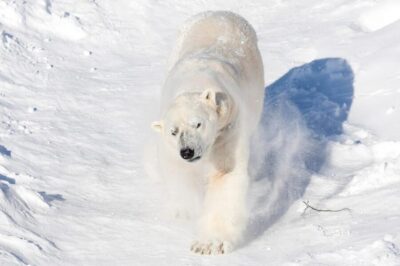
Ranua’s star animals are exactly the ones you hope for in Lapland. Expect to see polar bears, reindeer, lynxes, and more as you follow the trails.
Here’s how I’d think about your expectations. In winter, animal activity can be uneven. Some animals may be more visible at certain times, and some enclosures may feel quiet if an animal is resting or positioned away from the viewing area. That variability is normal in wildlife settings, even with knowledgeable staff managing care.
That said, the park still gives you a strong chance to see a lot of variety in one outing. The setup supports repeat viewing: you are walking through a trail network with multiple habitats, so you’re not stuck hoping for one miracle sighting at one enclosure.
Practical photo tip: don’t rush from first sight to second sight. If you find one area with good visibility, spend an extra minute. In wildlife parks, small changes in animal position can make a big difference to what you can capture.
More Wildlife Watching in Rovaniemi
- Rovaniemi: Arctic Animals Sleigh Rides and Wildlife Zoo
★ 4.6 · 91 reviews - From Rovaniemi: Tour to Ranua Wildlife Park
★ 4.5 · 91 reviews - Guided Ranua Wildlife Park tour with Lunch, Small group adventure
★ 5.0 · 49 reviews - Rovaniemi: Ranua Arctic Wildlife & Hot BBQ lunch + Transfers
★ 4.9 · 46 reviews
Free time after the tour: where you can slow down and choose
After the guided portion, you get time to explore at your own pace. I like this part because it lets you control your day. You can revisit your favorite enclosures, linger for better photos, or simply walk longer through areas the guide may have covered quickly.
This is also the time to adjust based on what you did not see during the guided segment. If something was quieter earlier, you might catch a better moment now. And if you did see what you wanted, you can enjoy the park as a winter walk, not just as a checklist.
One helpful framing: treat this free time as “make it your tour.” If you’re traveling with kids, this is where you can take breaks and keep the mood relaxed. If you’re traveling solo or as a couple, this is where you can slow down and watch behavior rather than just collecting images.
What makes the conservation lessons practical, not preachy
A lot of animal tours drift into vague storytelling. This one has a different value because it ties what you’re seeing to why the park exists. The guide shares information about Arctic ecology and wildlife conservation efforts, which gives you a reason to care beyond curiosity.
For you, that means you’ll likely walk away with clearer mental links:
- what survival looks like in frigid habitats,
- how Arctic animals respond to seasonal change,
- and how care, research, and habitat protection connect to animal welfare.
It also helps that you are not sitting through a lecture. You’re learning while you move. That format is more memorable because your brain connects each explanation to a physical scene.
Dress for the trails: your comfort is part of the animal viewing
You’ll be walking on park trails, in Arctic conditions. The tour recommends dressing appropriately for the weather, and I strongly agree. This is the day where comfort determines whether you enjoy the animals or just focus on staying warm.
What usually works well in Finnish winter:
- several warm layers you can adjust,
- a hat and gloves (not just one or the other),
- warm boots with good grip,
- a windproof outer layer,
- and a small bag to keep essentials together.
Also, bring a plan for your breath and cheeks. Cold air can make your face feel stiff quickly. Warm-up breaks matter. If you’re uncomfortable, you’ll move faster than you should, and you’ll miss the slow animal moments that make the trip feel worth it.
If you’re unsure, err on the side of warmer layers. You can always remove something while you’re inside, and you’ll be happier if temperatures drop.
Price and value: is $140 a fair deal?
At $140 per person, this is not a cheap add-on. The question is whether the package reduces your friction enough to earn its cost.
Here’s what you get for that price:
- entrance tickets included,
- round-trip transfers from Rovaniemi included,
- a guided tour with an English-speaking local guide,
- plus time to explore on your own.
Value is often about what you would otherwise pay and how much hassle you would have to manage. With transfers handled, you are not spending time researching transport options or building a “where do we go next” plan under winter stress. With entrance handled, you avoid ticket-line uncertainty. And with a guide, you get interpretation so the park experience doesn’t become a series of disconnected animal sightings.
Is it worth it if you have only one day to spend in the region? If your priority is Arctic wildlife and you want a managed plan, it’s a strong match. If you’re the type who hates structured schedules, you might prefer a more free-form day. But for most people, this is a practical, not-chaotic way to pack meaningful wildlife time into a short trip.
Who this tour suits best, and who should think twice
This tour is suitable for families and nature enthusiasts. The pacing and the mix of guided time plus free time make it easier to manage different energy levels.
It is especially good if:
- you want Arctic animals without coordinating transportation on your own,
- you like learning from a local guide while you’re walking,
- you want a half-day outing that still feels full.
It might be less perfect if:
- you need total control over every minute of the day,
- you are very sensitive to the possibility of quieter animal activity in colder conditions,
- or you’ve already seen similar animal collections and are hunting for something more interactive.
A fair way to put it: this is a solid wildlife day. It is not a guaranteed polar-bear-at-the-perfect-moment machine.
Book it or skip it: my practical take
If you’re in Rovaniemi and you want an organized Arctic wildlife experience with transfers, entry, and an English local guide, I’d lean toward booking this. The guided segment gives structure and meaning, and the free time helps you tailor the visit to your own pace.
I’d only skip it if Ranua isn’t really your priority and you’d rather spend that half-day on a different style of Lapland activity. If your dream day includes animals like polar bears, reindeer, and lynx, this fits neatly into a short itinerary.
FAQ
How long is the Ranua Wildlife Park tour from Rovaniemi?
The tour lasts about 5 hours, including transfers.
Is pickup and drop-off included?
Yes. Round-trip transfers from Rovaniemi are included.
What animals can I expect to see at Ranua Wildlife Park?
You can see Arctic wildlife, including polar bears, reindeer, lynxes, and more, across over 50 species.
Is the guided tour offered in English?
Yes, the live tour guide speaks English.
Are meals included in the price?
No. Meals are not included, and you’ll need to plan for personal expenses separately.
Is the tour family-friendly?
Yes. It is suitable for families and nature enthusiasts.
Just reviewed around Rovaniemi
- Snowshoeing tour with Wild Lunch★ 5.0 · 3 reviews
- Ultimate Aurora Borealis Tour Rovaniemi★ 5.0 · 3 reviews
- Bear and Arctic Animals 2 Day Trip from Rovaniemi★ 5.0 · 3 reviews
- Northern Lights Hunting Expedition★ 5.0 · 3 reviews
- Private Northern Lights Guaranteed Tour With Photography★ 5.0 · 3 reviews
- Northern Lights Rovaniemi: Guaranteed Tour with Local Guide★ 3.5 · 3 reviews
- Rovaniemi: Visit a Husky Farm & Dog Sledding Experience★ 4.0 · 3 reviews
- Winter highlights: Snowmobile, Arctic Animals And Santa`s Village★ 4.5 · 3 reviews
Ranua Wildlife Park, compared.
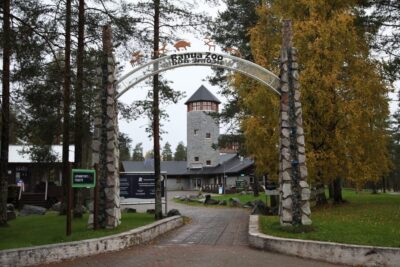
Ranua’s Wildlife Park Ticket with Transportation
Read our review →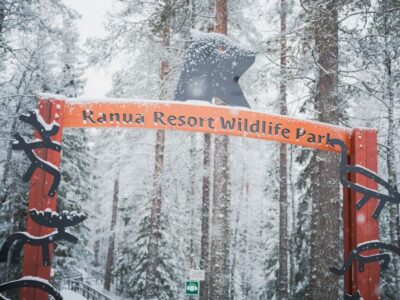
Ranua Wildlife Park Day: Visit the Arctic Animals
Read our review →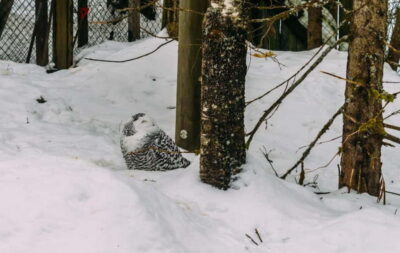
Guided Ranua Wildlife Park tour with Lunch, Small group adventure
Read our review →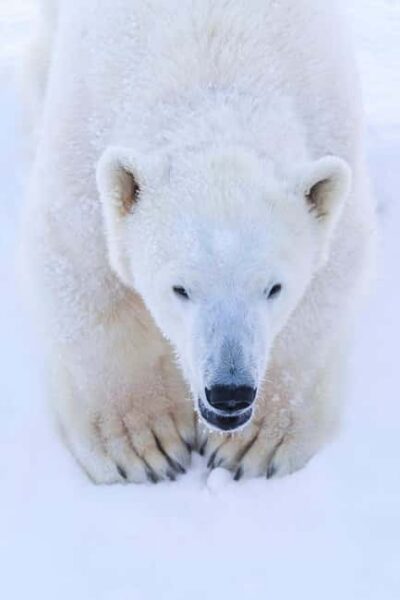
Ranua Arctic Wildlife & Hot BBQ lunch + Transfers
Read our review →Browse the lists this tour appears in